Light Blue Plaid Patterns: A Modern Vector Illustration for Design Projects
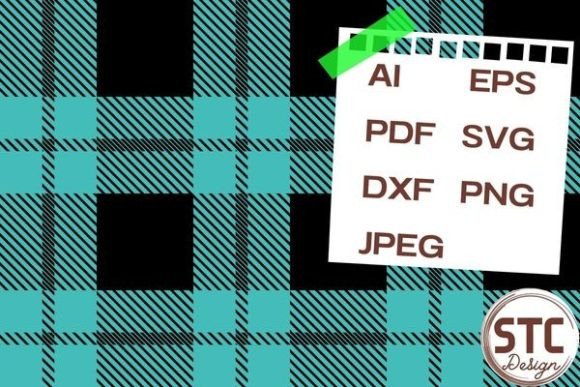
Light Blue Plaid Patterns offer a versatile and stylish design element that can enhance a wide range of creative projects. This modern vector illustration style is particularly well-suited for digital use, making it an excellent choice for website backgrounds, blog templates, shop designs, and more. The seamless nature of the pattern ensures it blends smoothly into various layouts without disrupting the visual flow.
Understanding Light Blue Plaid Patterns
Light Blue Plaid Patterns are characterized by their soft, calming hues and structured yet elegant design. The plaid motif adds texture and depth to any background, making it ideal for both minimalist and detailed designs. This pattern is available in multiple file formats, including AI, EPS, PDF, SVG, DXF, PNG, and JPEG, ensuring compatibility with a wide range of design software and printing processes.
The files come in high resolution (300 dpi) and are sized at 12 x 12 inches or 3600 x 3600 pixels, providing clarity and precision whether used digitally or printed. The RGB PNG files are perfect for web use, while the CMYK JPEG files ensure accurate color reproduction when printed.
Applications of Light Blue Plaid Patterns
The versatility of Light Blue Plaid Patterns makes them suitable for a variety of applications. From digital media to physical products, this pattern can be integrated into numerous aspects of design work:
- Websites and Blogs: Use the pattern as a subtle background for headers, sidebars, or entire sections to add visual interest without overwhelming the content.
- Shop Designs: Incorporate the pattern into product listings, banners, or promotional materials to create a cohesive brand identity.
- Fabric and Print On Demand: Apply the pattern to clothing items, key chains, mugs, notebooks, binders, planners, and journal covers for unique and appealing designs.
- Brochures and Posters: The pattern can serve as a backdrop for text and images, enhancing the overall aesthetic appeal of printed materials.
- Backgrounds and Wallpapers: Create custom wallpapers or desktop backgrounds that reflect a calm and professional environment.
- Carpet and Tablecloth Designs: Use the pattern for home decor items, adding a touch of sophistication to living spaces.
- Ethnic and Batik-Inspired Creations: Blend the plaid motif with traditional ethnic patterns to produce culturally rich designs.
Integrating Light Blue Plaid Patterns into Your Workflow
Incorporating Light Blue Plaid Patterns into your design workflow can streamline your process and elevate the quality of your output. Here are some practical tips for using this pattern effectively:
- Preparation: Before starting a project, determine where the pattern will be applied. Consider how it interacts with other elements such as text, images, and colors to ensure harmony and balance.
- Compatibility: Verify that the file format you choose is compatible with your design software. For example, SVG files are ideal for web-based projects, while AI files are best suited for Adobe Illustrator.
- Usability: When designing for print, ensure that the pattern maintains its quality at the intended size. Test the pattern on different substrates to see how it performs under various conditions.
- Organization: Keep your design assets organized by categorizing them based on use case, file type, and project. This helps in quickly locating the right resource when needed.
- Efficiency: Use the pattern as a base layer in your design, allowing other elements to be layered on top without interference. This approach saves time and reduces the need for repeated adjustments.
- Consistency: Maintain a consistent look and feel across all design elements by using the same pattern throughout a project. This reinforces brand identity and improves user experience.
- Quality Control: Always review the final design to ensure that the pattern does not overpower other elements and that the overall composition remains visually appealing.
- Long-Term Use: Store your design files in a secure location, and consider creating a library of commonly used patterns for future projects. This promotes efficiency and consistency over time.
Workflow Examples
Example 1: Website Background
When designing a website, start by setting the Light Blue Plaid Pattern as the background. Adjust the opacity if necessary to prevent it from competing with the foreground content. Layer text and images on top, ensuring they remain legible against the pattern.
Example 2: Product Packaging
For a print-on-demand product like a mug or notebook, apply the pattern to the surface design. Ensure that the pattern complements the product's purpose and target audience. Test the design on a sample before mass production to confirm the final appearance.
Example 3: Brochure Layout
Use the pattern as a background for the brochure’s interior pages. Add relevant text and images on top, ensuring that the pattern enhances rather than distracts from the main content.
Conclusion
Light Blue Plaid Patterns provide a flexible and aesthetically pleasing design option for a wide range of applications. Whether you're working on a digital project or preparing printed materials, this modern vector illustration style offers a seamless and high-quality solution. By integrating it thoughtfully into your workflow, you can enhance the visual appeal of your designs while maintaining professionalism and clarity.