Dark Orange Plaid Patterns: A Versatile Design for Modern Creations
Dark Orange Plaid Patterns offer a bold and dynamic aesthetic that can elevate a wide range of creative projects. Whether you're designing websites, blogs, shop interfaces, or physical products like mugs, notebooks, and keychains, this design brings warmth and energy to your work. Its versatility makes it ideal for digital use, print-on-demand, fabric applications, and more. But before diving into using Dark Orange Plaid Patterns, it's important to understand how to choose and apply them effectively to avoid common pitfalls.
Understanding the Appeal of Dark Orange Plaid Patterns
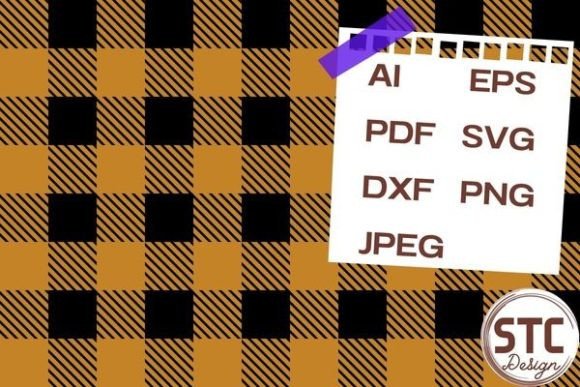
The rich, deep hue of dark orange combined with the structured texture of plaid creates a striking visual effect. This pattern is particularly popular in modern vector illustration styles, which allow for clean lines and scalability without loss of quality. It works well in both minimalist and maximalist designs, making it a go-to choice for designers looking to add a pop of color without overwhelming the overall look.
One of the main reasons people are drawn to Dark Orange Plaid Patterns is their adaptability. They can be used as backgrounds, overlays, or even as standalone elements in web and graphic design. Their high-resolution format (300 dpi) ensures they remain crisp on screens and printable surfaces alike.
Common Mistakes When Using Dark Orange Plaid Patterns
While Dark Orange Plaid Patterns are visually appealing, there are several common mistakes that can impact the final outcome of your project. One frequent error is using the pattern without considering contrast. If the background or text isn't chosen carefully, the plaid may become too busy or difficult to read.
Another issue arises when users overlook file formats. The product includes multiple file types such as AI, EPS, PDF, SVG, DXF, PNG, and JPEG. Choosing the wrong format for a specific application can lead to compatibility issues or poor print quality. For instance, using a JPEG instead of a CMYK-based one for printing might result in unexpected color shifts.
Many creators also fail to check the resolution requirements for their intended use. While the 300 dpi resolution is excellent for most purposes, it’s crucial to ensure that the size and scaling of the pattern match the dimensions of the final output. Stretching or compressing the image improperly can distort the design and reduce its visual appeal.
How to Avoid These Pitfalls
To avoid these issues, start by evaluating the context in which you'll use the pattern. For digital displays, PNG or SVG files are often best due to their transparency and scalability. For print, always use the CMYK JPEG files included in the package to maintain accurate color reproduction.
When applying the pattern to a background or design element, test it with different colors and fonts to ensure readability. A dark orange plaid on a light background may work well, but pairing it with another dark color could make the design feel cluttered. Consider using it as an accent rather than a dominant feature if you're unsure.
Additionally, take time to review the specifications of each file before downloading. Make sure you’re selecting the correct format for your project type—whether it's a website, brochure, or fabric design. Knowing what each file is best suited for will help you avoid unnecessary rework later on.
Practical Tips for Using Dark Orange Plaid Patterns Effectively
Here are some practical tips to help you get the most out of Dark Orange Plaid Patterns:
- Use as a Background: Apply the pattern as a subtle background in websites or digital media to add depth without distracting from the main content.
- Create Custom Products: Use the pattern for print-on-demand items like mugs, t-shirts, and planners. The high-resolution files ensure that the design remains sharp and vibrant even when printed on various materials.
- Experiment with Overlays: Combine the plaid pattern with solid colors or gradients to create unique visual effects. This technique works especially well in poster design and branding materials.
- Consider Cultural Context: Since the pattern has ethnic and batik influences, be mindful of cultural sensitivity when using it in marketing or promotional materials. Ensure that the use aligns with appropriate guidelines and respect for traditional art forms.
By keeping these considerations in mind, you can ensure that your use of Dark Orange Plaid Patterns is both effective and respectful of the design's origins and potential.
Final Thoughts on Dark Orange Plaid Patterns
Dark Orange Plaid Patterns are a powerful tool for designers, bloggers, entrepreneurs, and hobbyists alike. Their versatility allows them to be used across a variety of mediums, from digital platforms to physical products. However, success with this design hinges on thoughtful application and attention to detail.
Before using the pattern, take time to understand your project’s needs, select the right file format, and test the design in different contexts. By avoiding common mistakes and following best practices, you can ensure that your final product looks professional, cohesive, and visually engaging.