Watercolor Tulip Flower Patterns: A Versatile Design Element for Creative Projects
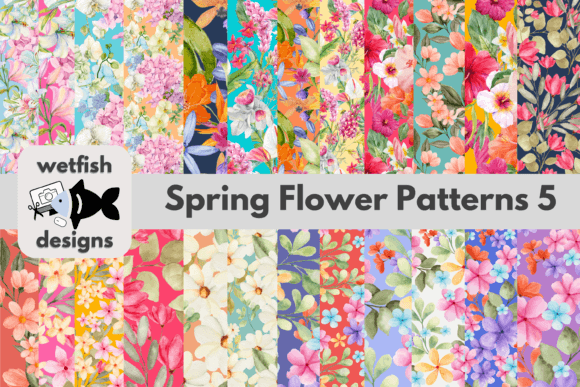
Watercolor Tulip Flower Patterns have become a popular choice among designers, artists, and crafters looking to infuse their work with a sense of elegance and natural beauty. These patterns are characterized by their delicate strokes, vibrant colors, and the softness of hand-painted details that give them a unique charm. Whether you're working on a digital project, creating physical art, or designing for commercial use, these patterns offer a wide range of applications and aesthetic appeal.
The Artistry Behind Watercolor Tulip Flower Patterns
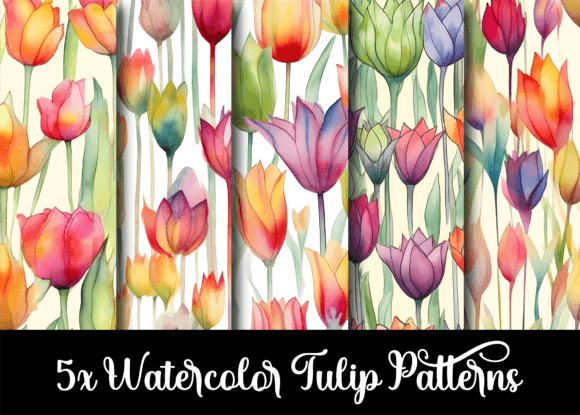
At the heart of every Watercolor Tulip Flower Pattern is the artistry involved in its creation. Unlike digitally generated designs, these patterns are often hand-painted, capturing the subtle variations and textures that make each piece one-of-a-kind. The process involves layering watercolors to achieve depth and dimension, ensuring that the final design looks both realistic and artistic. This meticulous approach results in patterns that are not only visually appealing but also rich in detail.
The inclusion of lush green leaves surrounding the tulips adds another layer of complexity and visual interest. These elements work together to create a harmonious composition that feels organic and balanced. The combination of soft pastel hues and bold accents ensures that these patterns can be adapted to a variety of color schemes and design styles.
Key Characteristics of Watercolor Tulip Flower Patterns
- Vibrant Hues: The use of bright and muted tones allows these patterns to stand out while still maintaining a sense of subtlety.
- Delicate Details: Each petal and leaf is carefully rendered, making these patterns ideal for intricate design work.
- High-Quality Resolution: With a resolution of 4096x4096 pixels, these patterns are suitable for both print and digital use without losing clarity.
- Hand-Painted Quality: The artisanal nature of these designs gives them an authenticity that cannot be replicated through automated processes.
Applications of Watercolor Tulip Flower Patterns
One of the most appealing aspects of Watercolor Tulip Flower Patterns is their versatility. They can be used across a wide range of creative fields, from graphic design to textile production. Here are some common applications where these patterns shine:
Stationery Design: Greeting cards, invitations, and note cards can benefit greatly from the elegance of these patterns. The soft, flowing lines of the tulips add a touch of sophistication that is perfect for special occasions.
Home Decor: Incorporating these patterns into home decor items such as cushions, wall art, or table runners can transform a space into something more inviting and stylish. The floral motifs bring a sense of warmth and comfort to any room.
Fashion Design: Textile designers often look for unique patterns that can elevate their collections. Watercolor Tulip Flower Patterns can be used in fabric prints, embroidery designs, or even as accents on clothing items like scarves or handbags.
Digital Scrapbooking: For those who enjoy creating digital collages or scrapbooks, these patterns provide an excellent way to add visual interest and cohesion to the layout. Their soft edges and gentle curves complement other digital elements seamlessly.
Considerations When Using Watercolor Tulip Flower Patterns
While these patterns are incredibly versatile, there are a few considerations to keep in mind when incorporating them into your projects:
- Color Coordination: Since these patterns feature a range of colors, it's important to ensure they complement the rest of your design. Experimenting with different color palettes can help you find the perfect match.
- Scale and Proportion: Depending on the size of your project, you may need to adjust the scale of the pattern to maintain balance and avoid overcrowding the design.
- Printing Requirements: If you plan to use these patterns for print, be sure to check the resolution and color mode (CMYK vs. RGB) to ensure optimal results.
- Licensing and Usage Rights: Always verify the licensing terms before using these patterns commercially. Some patterns may require attribution or have restrictions on how they can be used.
Why Choose Watercolor Tulip Flower Patterns?
In a world where design trends come and go, Watercolor Tulip Flower Patterns remain a timeless choice. Their ability to blend seamlessly into various design contexts makes them a valuable asset for anyone looking to add a touch of elegance to their work. Whether you're a professional designer or a hobbyist, these patterns offer a level of sophistication that is hard to match.
Moreover, the popularity of botanical illustrations in modern design has made floral patterns more relevant than ever. As people seek out natural and organic aesthetics, the demand for high-quality, hand-crafted designs continues to grow. Watercolor Tulip Flower Patterns fit perfectly into this trend, offering a fresh and artistic take on traditional floral motifs.
For educators and researchers, these patterns can serve as a valuable resource for teaching about art techniques, color theory, and design principles. Their hand-painted nature provides an excellent opportunity to discuss the nuances of watercolor painting and how it differs from digital illustration.
Real-World Examples of Watercolor Tulip Flower Patterns in Action
Many professionals have successfully incorporated these patterns into their work. For instance, a stationery designer might use a Watercolor Tulip Flower Pattern as the background for a wedding invitation, adding a romantic and elegant feel to the design. Similarly, a fashion designer could integrate these patterns into a fabric collection, creating a line of garments that exude grace and refinement.
In the realm of home decor, interior designers have used these patterns to create custom wall art pieces that add a focal point to a room. The soft, flowing lines of the tulips create a calming atmosphere, making them ideal for spaces meant for relaxation and reflection.
Even in digital media, these patterns have found a place. A digital artist might use them as a background for a social media post or website header, instantly elevating the visual appeal of the content.
These examples illustrate just a few of the many ways in which Watercolor Tulip Flower Patterns can be utilized. Their adaptability and aesthetic appeal make them a favorite among creators from all walks of life.
Trends and Future of Watercolor Tulip Flower Patterns
As we move further into the digital age, the demand for high-quality, customizable design elements continues to rise. Watercolor Tulip Flower Patterns are well-positioned to meet this demand, thanks to their unique qualities and wide-ranging applications. Designers and artists are increasingly turning to hand-painted elements to differentiate their work in a competitive market.
Looking ahead, it's likely that these patterns will continue to evolve alongside new design technologies. Advances in digital tools may allow for greater customization and integration of these patterns into interactive media, expanding their potential uses even further. However, the core essence of these patterns—artistry, elegance, and natural beauty—will remain unchanged.
Whether you're exploring new creative avenues or simply looking to enhance your current projects, Watercolor Tulip Flower Patterns offer a compelling solution. Their timeless appeal and adaptability ensure that they will remain a staple in the world of design for years to come.