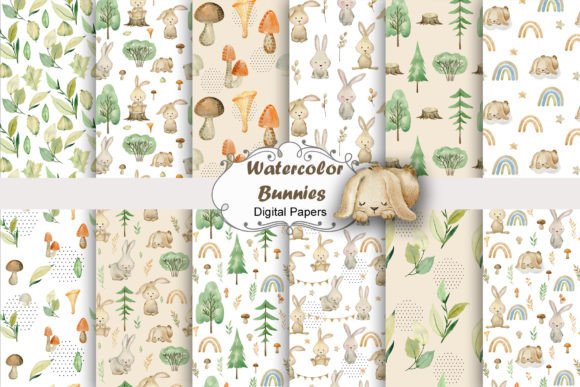
Watercolor Bunnies, Seamless Patterns: A Strategic Design Asset for Creative and Commercial Use
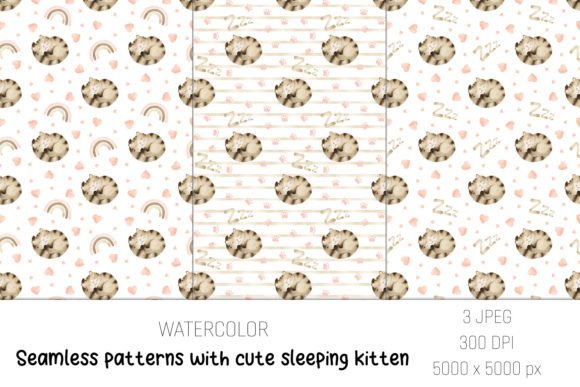
Watercolor bunnies, seamless patterns are more than just decorative elements—they are versatile design assets that can elevate the visual appeal of a wide range of creative and commercial projects. Whether you're designing a scrapbook layout, crafting a website background, or producing fabric prints, these patterns offer a unique blend of artistry and practicality. Their seamless nature allows for easy tiling, making them ideal for large-scale applications without visible seams or disruptions in design continuity.
The Strategic Value of Watercolor Bunnies, Seamless Patterns
When considering design resources, it's essential to evaluate not only their aesthetic qualities but also their strategic utility. Watercolor bunnies, seamless patterns provide a consistent visual identity that can be adapted across multiple platforms and mediums. This consistency is particularly valuable for branding, where maintaining a cohesive look helps reinforce brand recognition and customer trust.
For entrepreneurs and small business owners, using these patterns in marketing materials such as packaging, social media posts, or digital banners can help create a memorable brand presence. The soft, hand-painted quality of watercolor designs adds a sense of warmth and authenticity, which resonates well with consumers seeking personal and meaningful connections.
Designers and creators benefit from the flexibility of seamless patterns, which can be used as backgrounds for websites, mobile apps, or print media. The ability to tile the images without interruption ensures that the design remains visually appealing at any scale, whether it's a small journal page or a large banner.
Practical Applications and Use Cases
Watercolor bunnies, seamless patterns are incredibly versatile and can be applied across various industries and creative fields. Here are some specific use cases:
- Scrapbooking and Journaling: These patterns add a whimsical and artistic touch to layouts, helping to create a cohesive theme throughout a project.
- Web Design: As background textures, they can enhance the user experience by adding depth and visual interest without overwhelming the content.
- Apparel and Fabric Design: When printed on fabric, these patterns bring a soft, organic feel to clothing items like baby clothes, tote bags, or home décor textiles.
- Paper Products: They work beautifully on cards, invitations, and stationery, providing an elegant yet playful aesthetic.
- Prints and Artwork: Artists can incorporate these patterns into larger compositions or use them as standalone pieces for gallery displays or online portfolios.
Each application requires thoughtful consideration of how the pattern will interact with other design elements. For example, when using them as a background in web design, it's important to ensure that the color palette complements the primary content and doesn't reduce readability or contrast.
Planning and Implementation Strategies
Before incorporating Watercolor Bunnies, Seamless Patterns into your projects, consider the following planning steps:
- Define the Purpose: Determine what you want to achieve with the pattern. Is it to enhance a brand's visual identity, improve user engagement, or simply add aesthetic value?
- Evaluate Context: Assess the environment in which the pattern will be used. Will it be viewed on a screen, printed on paper, or displayed in a physical space? Each medium may require different considerations regarding resolution, color accuracy, and scalability.
- Test Compatibility: Experiment with how the pattern interacts with other design elements such as text, photographs, or icons. Ensure that the pattern doesn't overpower or clash with the main content.
- Consider Licensing and Usage Rights: Make sure you understand the terms of use for the pattern files you're purchasing. Some licenses may restrict commercial use or require attribution.
By carefully planning and implementing these patterns, you can maximize their impact while avoiding common pitfalls such as overuse or misalignment with your overall design goals.
Risks and Considerations
While Watercolor Bunnies, Seamless Patterns offer numerous benefits, there are also potential risks to be aware of. One key risk is the possibility of using them inappropriately or without clear context, which can lead to a disjointed or unprofessional appearance. For instance, applying a whimsical pattern to a serious or formal project might create confusion or dilute the intended message.
Another consideration is ensuring that the pattern is used in a way that aligns with your brand’s visual identity. If the pattern doesn't match your brand's tone or style, it could undermine your efforts to build a strong and recognizable brand image.
Additionally, it's important to verify the technical specifications of the pattern files before using them. Ensuring that the resolution and file format are suitable for your intended use will help prevent issues such as pixelation or poor print quality.
Maximizing Long-Term Value
To get the most out of Watercolor Bunnies, Seamless Patterns, it's crucial to think about long-term value. These patterns can be repurposed across multiple projects, reducing the need for constant redesign and saving time and resources. By building a library of high-quality, adaptable design assets, you can streamline your workflow and maintain a consistent visual language across all your creative outputs.
For educators and publishers, these patterns can serve as teaching tools or visual aids that engage students and readers in a more dynamic way. In professional settings, they can be used to enhance presentations, reports, or internal communications, making complex information more approachable and visually engaging.
Ultimately, the key to successfully using Watercolor Bunnies, Seamless Patterns lies in intentionality. By aligning their use with clear objectives and thoughtful planning, you can transform these versatile design assets into powerful tools that support your creative and commercial goals.