Retro Flowers Digital Papers Patterns: A Versatile Asset for Creative Projects
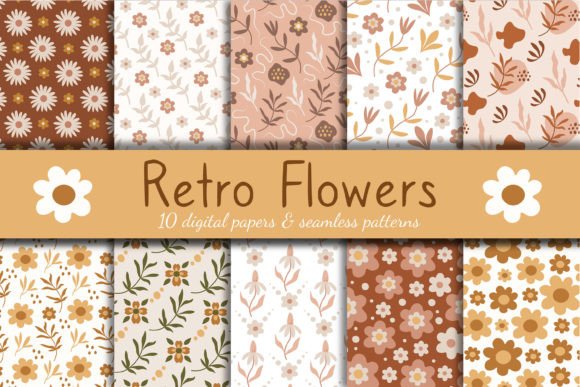
Retro Flowers Digital Papers Patterns offer a nostalgic yet refined aesthetic that blends the charm of vintage floral designs with modern digital adaptability. This collection features 10 unique floral ornaments, each crafted with attention to detail and designed to serve as seamless background elements. Whether you're working on greeting cards, textile projects, or product packaging, these patterns provide an elegant foundation that can elevate your creative output.
Understanding Retro Flowers Digital Papers Patterns
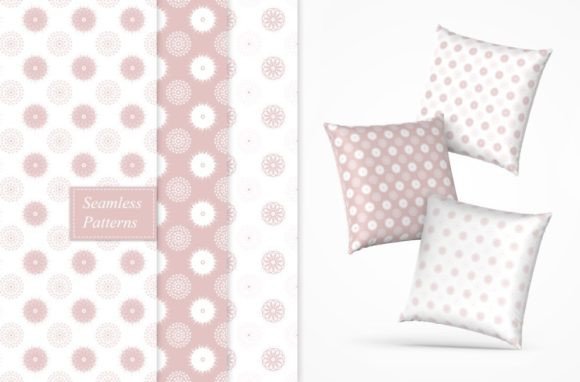
The Retro Flowers Digital Papers Patterns collection is more than just a set of decorative images—it's a toolkit for designers, crafters, and creators who seek to infuse their work with a touch of classic elegance. Each design incorporates vintage blossoms and leaves, rendered in a way that feels both authentic and contemporary. The use of soft, muted tones and intricate detailing gives these patterns a timeless appeal that can complement a wide range of visual styles.
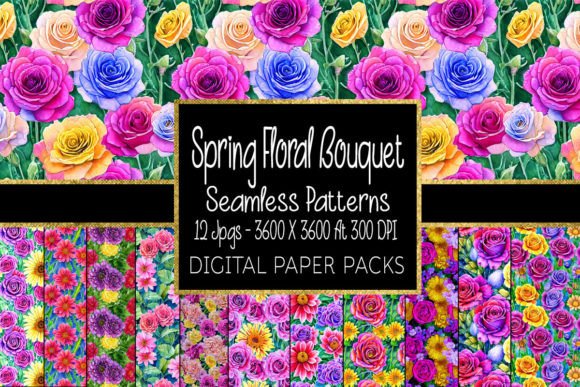
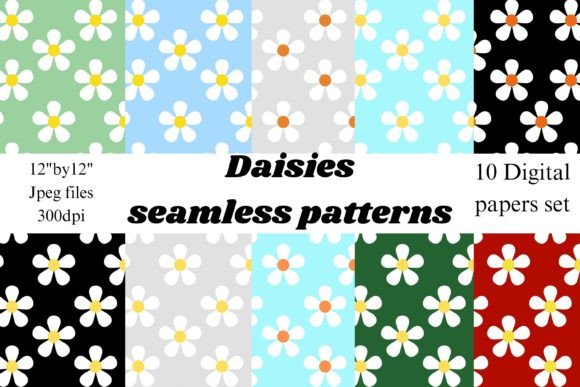
With files available in PNG, JPG, and EPS formats, this collection caters to both digital and print-based applications. The high resolution (300 dpi) ensures clarity and sharpness, even when scaled up for large-format printing. The dimensions of 3600 x 3600 pixels and 12×12 inches make these patterns suitable for various uses, from small-scale crafts like card making to larger projects such as fabric design or wallpaper creation.
Key Features and Practical Value
One of the standout features of this collection is its versatility. The seamless nature of the patterns means they can be tiled without visible seams, which is essential for backgrounds that require continuity. This characteristic makes them particularly useful for digital media, where uninterrupted visuals are crucial for maintaining a polished look.
The inclusion of multiple file formats adds to the practicality of the collection. PNG files are ideal for web-based projects due to their transparent backgrounds, while JPGs are well-suited for print media. EPS files, on the other hand, are perfect for vector-based editing, allowing users to scale the designs without loss of quality. This flexibility ensures that the patterns can be adapted to meet the specific needs of different workflows and outputs.
Another notable aspect is the consistency in design quality across all 10 files. Each pattern maintains a cohesive style while offering enough variation to prevent repetition. This balance is important for projects that require multiple background options without compromising on visual harmony.
Who Can Benefit from Retro Flowers Digital Papers Patterns?
Professionals and hobbyists alike will find value in using Retro Flowers Digital Papers Patterns. For graphic designers, these patterns can serve as a quick and effective way to add a vintage-inspired backdrop to marketing materials, website banners, or social media content. Their clean lines and elegant motifs make them especially suitable for branding that leans into retro aesthetics.
Crafters and DIY enthusiasts will appreciate the ease with which these patterns can be integrated into handmade projects. From scrapbooking layouts to handmade wrapping paper, the ability to customize and layer these designs offers endless creative possibilities. Additionally, educators and publishers may find these patterns useful for creating visually engaging learning materials or book covers that stand out on a shelf.
Small business owners looking to enhance their product packaging or promotional materials can also benefit from incorporating these patterns. The subtle sophistication of the floral designs can help convey a sense of quality and care, which is especially appealing in industries like stationery, textiles, and gift items.
Evaluating Real-World Performance
In practice, the effectiveness of Retro Flowers Digital Papers Patterns depends largely on how they're applied. When used as a background for text-heavy content, it's important to ensure sufficient contrast between the pattern and the foreground elements. This consideration is particularly relevant for digital projects such as website design or social media posts, where readability is paramount.
For print-based applications, the high-resolution format ensures that the details remain crisp and clear, even when printed at larger sizes. This makes the patterns suitable for textile projects, such as fabric prints or embroidered designs, where precision matters. However, users should be mindful of color accuracy when printing, as slight variations can occur depending on the printer and paper type used.
While the collection is comprehensive, it's worth noting that it doesn't include additional resources such as tutorials or templates for specific project types. Users who are new to working with digital papers may need to invest time in learning how to effectively integrate these assets into their workflow, though this is a common challenge across many design tools and platforms.
Practical Recommendations and Limitations
To maximize the potential of Retro Flowers Digital Papers Patterns, consider pairing them with minimalist text or imagery to avoid overwhelming the viewer. These patterns are best used as subtle accents rather than dominant visual elements. Experimenting with different color overlays or transparency levels can also yield interesting effects, especially in digital compositions.
One limitation of the collection is that it does not provide royalty-free usage rights beyond what is typically included in standard digital paper licenses. Users should always review the terms of use provided by the seller to ensure compliance with any restrictions related to commercial application or distribution.
Despite these considerations, the overall quality and usability of the Retro Flowers Digital Papers Patterns make them a valuable addition to any designer’s or creator’s toolkit. Their blend of vintage charm and modern adaptability ensures that they can be effectively utilized across a broad spectrum of creative endeavors.
Whether you're designing for a personal project or a professional client, these patterns offer a reliable and aesthetically pleasing solution. By understanding their strengths and limitations, you can make informed decisions about how best to incorporate them into your work, ensuring that they enhance rather than detract from your final output.