Line Patterns for Design and Creativity
Line patterns are a simple yet powerful design element that can transform any project, from digital illustrations to print materials. These repeating lines create texture, rhythm, and visual interest without overwhelming the viewer. Whether you're a beginner or an experienced designer, understanding line patterns can open up new creative possibilities.
What Are Line Patterns?
At their core, line patterns consist of repeated lines arranged in a specific way. They can be straight, curved, dashed, dotted, or any combination of these. The key feature of a line pattern is its ability to repeat seamlessly across a surface, making it ideal for backgrounds, borders, and decorative elements.
When you look at a line pattern closely, you'll notice that it's made up of small, consistent units that repeat over and over again. This repetition creates a sense of order and harmony, which is why line patterns are so widely used in design.
Why Use Line Patterns?
- Consistency: Line patterns provide a uniform look that can be applied across different parts of a design.
- Flexibility: They can be scaled, rotated, or combined with other elements to suit various needs.
- Efficiency: Instead of drawing intricate designs manually, using pre-made line patterns saves time and effort.
- Aesthetic Appeal: The right line pattern can add elegance, sophistication, or even a playful touch to any project.
Seamlessly Repeating Line Patterns
One of the most important aspects of line patterns is how they repeat. A seamlessly repeating line pattern means that the pattern continues without visible breaks or gaps between each unit. This is especially important when the pattern is used in large areas, such as backgrounds or banners.
Creating a seamless line pattern requires careful planning and attention to detail. Each unit must align perfectly with the next one so that the overall effect is smooth and uninterrupted. Fortunately, many design tools and resources offer pre-made line patterns that are already optimized for seamless repetition.
File Specifications and Formats
When working with line patterns, it's essential to consider the file format and resolution. For high-quality printing and digital use, a file size of 12 x 12 inches at 3600 x 3600 pixels and 300dpi is ideal. This ensures sharpness and clarity, even when the pattern is scaled up or down.
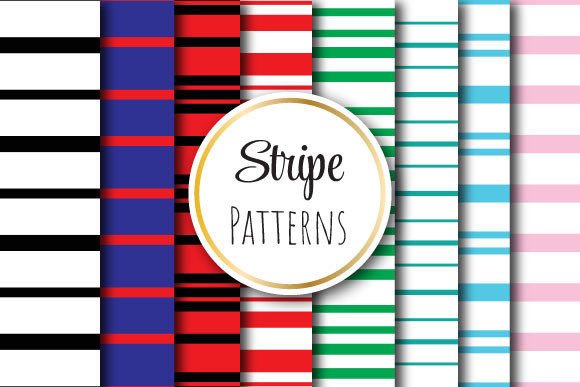
The zip file containing your line patterns includes one EPS file and eight JPEG files. The EPS format is vector-based, making it perfect for scalable graphics, while the JPEG files are ready to use in digital projects. This combination gives you flexibility depending on your needs.
Practical Uses of Line Patterns
Line patterns can be used in a wide range of applications. Here are some common and creative ways to incorporate them into your work:
- Backgrounds: Use line patterns as subtle background textures for websites, presentations, or print materials.
- Borders: Create elegant borders around text, images, or sections of a design.
- Illustrations: Combine line patterns with other shapes and colors to build more complex illustrations.
- Text Effects: Apply line patterns to text to make it stand out or add a unique style.
- Print Materials: Incorporate line patterns into brochures, business cards, and packaging designs for added visual appeal.
Beginner-Friendly Examples
If you're new to using line patterns, here are a few simple examples to get started:
- Create a basic grid pattern by drawing evenly spaced horizontal and vertical lines.
- Design a zigzag pattern by alternating short and long lines in a diagonal direction.
- Make a dashed line pattern by spacing out short dashes consistently along a straight line.
- Combine multiple line styles to form a more complex and interesting pattern.
These examples are easy to create and can be customized to fit your personal or professional needs.
Considerations Before Using Line Patterns
While line patterns are versatile, there are a few things to keep in mind before choosing and applying them:
- Contrast: Ensure that the line pattern contrasts well with the background or other elements in your design.
- Scale: Test the pattern at different sizes to see how it looks when scaled up or down.
- Complexity: Avoid overly complex patterns that may become distracting or difficult to read.
- License: If you're using pre-made line patterns, check the licensing terms to ensure you're allowed to use them for your intended purpose.
By keeping these considerations in mind, you can choose and apply line patterns that enhance your designs without causing any issues.
Getting Started with Line Patterns
If you're looking to explore line patterns further, start by experimenting with simple designs and gradually move to more complex ones. You can find a variety of line patterns online, or create your own using design software like Adobe Illustrator or Photoshop.
Remember, the goal of using line patterns is to enhance your design, not to complicate it. With practice and experimentation, you'll develop a better understanding of how to use them effectively in your work.