Boho Patterns, Digital Patterns, and Texture: A Practical Guide for Designers and Creators
Boho patterns have long been a staple in the world of design, offering a free-spirited and eclectic aesthetic that appeals to a wide range of creative professionals. When combined with digital formats and texture elements, these patterns become more than just visual embellishments—they become versatile tools for crafting everything from scrapbook pages to custom home decor. The key distinction here lies in the format and quality of the files, particularly when considering digital paper sheets in JPEG format, optimized for high-quality printing.
Understanding Boho Patterns and Their Digital Format
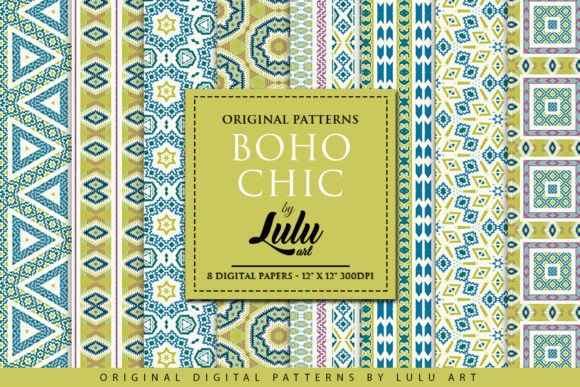
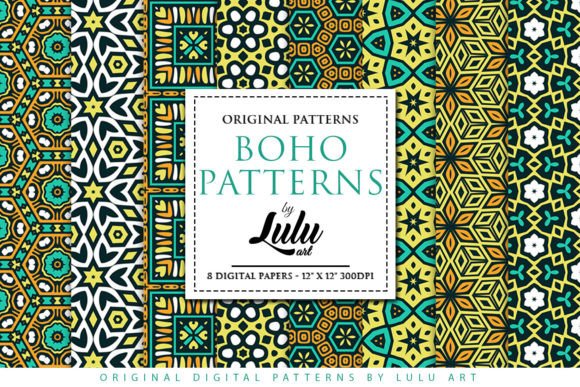
Boho, short for "bohemian," refers to a style that embraces asymmetry, organic shapes, and a mix of textures and colors. These patterns are often inspired by nature, tribal art, and global cultures, making them ideal for those who want to add a unique, artistic flair to their projects. In digital form, these patterns are available as digital paper sheets, typically in sizes like 12 x 12 inches, which is a standard size for scrapbooking and other craft-related activities.
The digital version of Boho patterns offers several advantages over traditional printed paper. For one, they are highly portable and can be accessed on any device with internet connectivity. Additionally, since they come in 300 dpi JPEG files, they ensure excellent print quality when used with appropriate software and printers. It’s important to note that these are DIGITAL files, not physical paper sheets, so users must know how to unzip the files from the provided ZIP format before using them.
Comparing Boho Patterns with Other Digital Pattern Options
While Boho patterns are distinct in their aesthetic, they are part of a broader category of digital patterns that include geometric designs, floral motifs, and minimalist styles. Each of these has its own use cases and benefits, and understanding the differences can help you choose the right option for your project.
Geometric patterns, for example, offer a clean and structured look that works well in modern interiors or tech-themed designs. They are often easier to scale and integrate into digital layouts compared to the more intricate Boho patterns. On the other hand, floral patterns provide a softer, more romantic feel, which may appeal to those working on wedding invitations or feminine-themed projects.
When it comes to texture, Boho patterns often incorporate elements like woven fabrics, natural fibers, or distressed effects, which give them a tactile feel even in digital form. This is different from flat, non-textured patterns that might be better suited for graphic design work where clarity and simplicity are priorities.
Strengths and Tradeoffs of Using Boho Patterns Digitally
The primary strength of Boho patterns in digital format is their versatility. Whether you're designing a collage, creating printable cards, or working on a digital layout, these patterns can be layered, resized, and manipulated to fit your needs. The high-resolution JPEG files ensure that the details remain crisp even when printed at larger sizes.
However, there are also tradeoffs to consider. Because Boho patterns are often more complex and detailed, they may require more processing power when working with them in design software. Additionally, not all Boho patterns are universally applicable—some may be too intricate for certain projects or clash with other design elements if not used carefully.
Another consideration is compatibility. While most digital pattern files are compatible with popular design programs like Adobe Photoshop or Canva, it's always a good idea to check the specific requirements of your software before purchasing or downloading any digital paper sheets.
Best-Fit Situations for Boho Patterns, Digital Patterns, and Texture
Boho patterns are particularly well-suited for creative individuals who value uniqueness and personal expression. If you're involved in scrapbooking, mixed media art, or DIY home decor, these patterns can add a rich, dimensional quality to your work. The texture elements in these patterns can also be useful for simulating materials like burlap, denim, or linen without the need for actual fabric samples.
In contrast, if you're working on a more professional or corporate design, such as branding materials or marketing collateral, you may find that simpler, more uniform patterns are more effective. In these cases, Boho patterns might be too busy or visually overwhelming.
It's also worth noting that while Boho patterns are great for analog-style crafts, they may not be the best choice for purely digital projects that require minimal background interference. For instance, a website background or a mobile app interface might benefit from a subtler, more cohesive design language.
Evaluating Alternatives and Making an Informed Choice
Before committing to Boho patterns, it's wise to evaluate other options based on your specific needs. Consider factors such as the complexity of the design, the intended use, and the overall aesthetic you're trying to achieve. If you're unsure, experimenting with a few different pattern styles can help you determine what works best for your project.
If you're looking for something more structured or modern, you might explore minimalist or geometric patterns instead. Alternatively, if you're drawn to the natural beauty of textures but prefer a more subdued look, you could opt for patterns that feature subtle gradients or muted tones.
Ultimately, the decision between Boho patterns and other digital pattern options depends on your personal preferences, the nature of your project, and the desired outcome. By understanding the strengths and limitations of each type of pattern, you can make a more informed choice that aligns with your creative vision.
Whether you're a seasoned designer or just starting out, exploring the world of Boho patterns and digital textures can open up new possibilities for your work. With the right tools and knowledge, you can bring your ideas to life in ways that are both visually appealing and functionally effective.